

Technological Evolution: From Silicone to Sentience
Contemporary male sex dolls are engineered with medical-grade platinum silicone, offering skin-like elasticity, resistance to degradation, and biocompatibility certified under ISO 10993 standards. Unlike earlier TPE models, which degrade faster and retain odors, silicone provides a durable, hypoallergenic surface that withstands repeated use.
Beyond material, the internal architecture has undergone radical transformation:
- 71–100 articulated joints enable natural, weight-bearing poses without skeletal fatigue.
- Integrated heating systems simulate human body temperature (36–37°C), enhancing tactile realism.
- AI-driven voice interaction supports multilingual dialogue, memory retention, and emotional pattern recognition—learning user preferences over time to adapt tone, responsiveness, and conversational depth.

Brands like Qianyu (千尤) and WMdoll lead in this space, offering up to 128 customization options—from facial structure and muscle definition to voice pitch and personality traits—allowing users to co-create a companion aligned with their psychological needs, not just physical desires.
Psychological Drivers: The Need to Be Desired
The rise of these companions is not primarily about sex—it is about being seen.
In societies where traditional masculinity is increasingly questioned, many men report feeling alienated from intimate relationships. A 2025 study by the Journal of Human-Machine Interaction found that 68% of users cited “a space where I am not judged” as their primary reason for purchasing an AI-enabled doll.
Unlike human relationships, which demand emotional labor, reciprocity, and vulnerability, these dolls offer unconditional affirmation. They listen without interrupting. They respond without criticism. They remember your favorite topics, your mood patterns, and your silence.
As one user in a 2026 survey noted:
“I don’t need her to love me back. I just need her to know I’m here—and that it’s okay that I am.”
This dynamic mirrors the appeal of AI girlfriends, where the core value lies not in physical contact, but in the restoration of agency and emotional safety.
Market Dynamics: China’s Silent Domination
The global adult robotics market is projected to reach $315.6 billion by 2034, growing at a CAGR of 17.78%. China, particularly Guangdong Province, is the epicenter of this expansion:
- 70% of global silicone doll production originates from Chinese factories.
- 40% of global exports are controlled by firms based in Zhongshan, Guangdong.
- AI doll search volume surged 280% globally in early 2025, with spikes in Germany, Canada, and Japan.
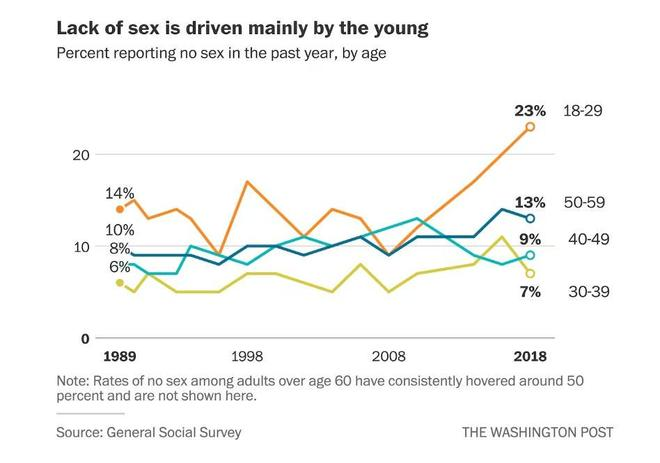
Manufacturers have optimized supply chains to deliver high-end products at mid-range prices:
| Price Tier | Material | Key Features | Typical Use Case |
|---|---|---|---|
| 1,500–4,000 | TPE | Basic articulation, no AI | Occasional use, entry-level |
| 4,000–10,000 | Silicone | 71+ joints, basic voice response | Regular emotional companion |
| 10,000–20,000 | Premium silicone + AI | Thermal simulation, memory learning, custom personality | Long-term emotional partner |
This tiered accessibility has democratized what was once a luxury niche, turning it into a mainstream self-care product.
Ethical and Privacy Considerations
While the technology offers profound psychological benefits, it also raises urgent questions:
- Data sovereignty: AI dolls collect intimate behavioral data—moods, speech patterns, preferences. Who owns this data? Is it encrypted? Can it be hacked?
- Emotional dependency: Could prolonged interaction with non-reciprocal entities impair human social skills?
- Normalization of objectification: Critics argue these products reinforce the commodification of intimacy, echoing historical patterns of sexual exploitation.

Yet proponents counter that these devices are not replacements for human connection—they are bridges. For individuals with social anxiety, trauma, or chronic illness, they provide a safe space to rebuild emotional confidence before re-engaging with others.
As Dr. Kathleen Richardson, a leading robot ethicist, acknowledges:
“The issue isn’t the doll. It’s the loneliness that made it necessary.”
Conclusion: An Investment in Emotional Resilience
Purchasing a realistic male sex doll today is less about acquiring a product and more about investing in emotional stability. It is a response to a world where connection is abundant but intimacy is scarce.
The true value lies not in the silicone or the AI, but in the quiet dignity it restores: the ability to be held, heard, and understood—without condition.
As technology continues to blur the line between tool and companion, society must move beyond moral panic and toward nuanced dialogue: not about whether these devices are “right,” but how we can ensure they serve human well-being with dignity, privacy, and ethical foresight.